
When “Modernization” Backfires: The Psychology Behind Cracker Barrel’s Rebrand Fiasco

Single Media

By Yuliya Rostan, Yo Marketing Agency Creative Lead

Scroll through the headlines and you’ll see it. Outrage. Memes. A nationwide sigh of “bring back Uncle Herschel.”

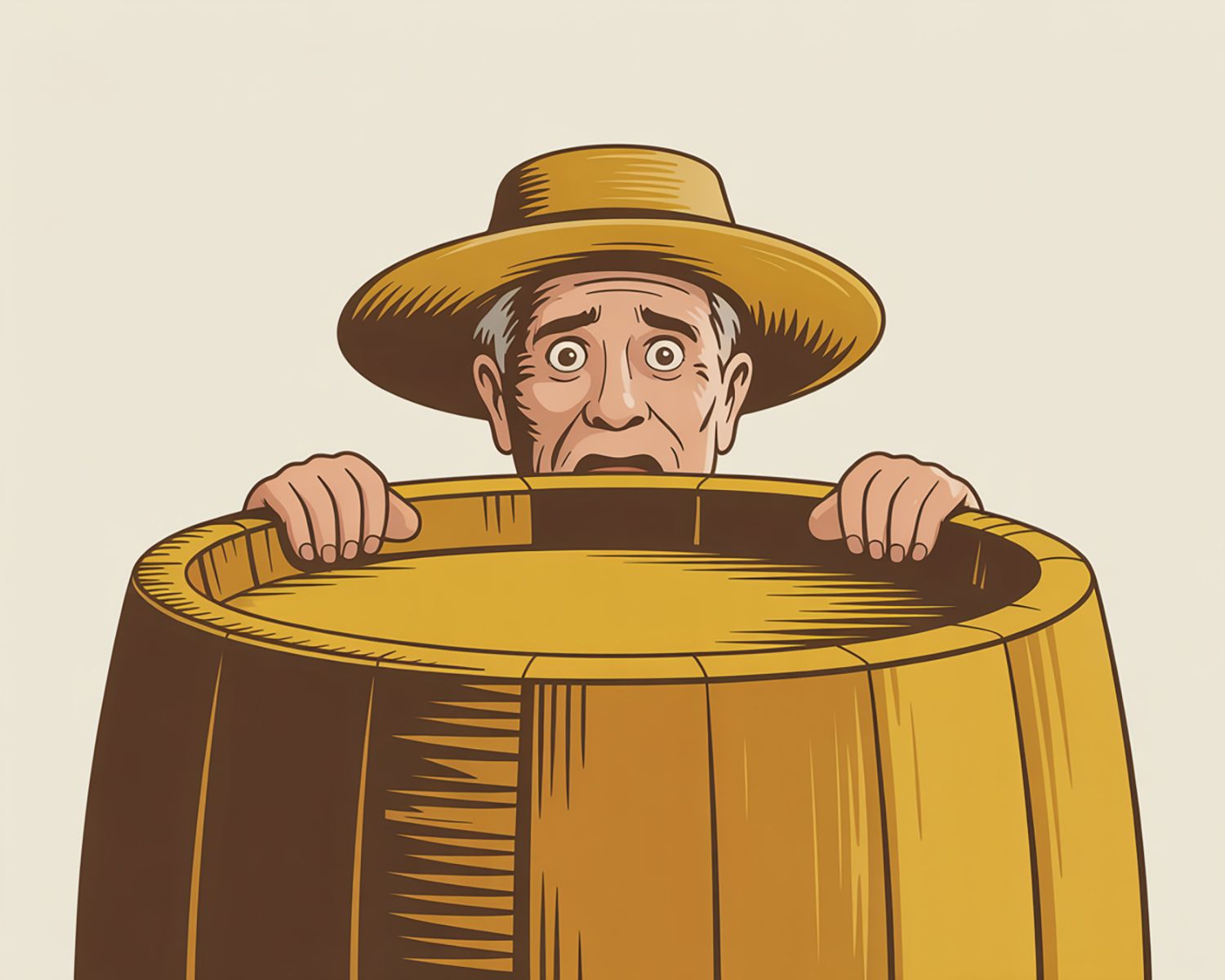
In August 2025, Cracker Barrel, a brand synonymous with old-time Americana, unveiled a brand redesign. Gone was the iconic logo of the man in overalls leaning against a barrel. The interiors? Brighter, sleeker, stripped of their antique charm. The intention was clear: court a younger demographic and signal a modern, forward-looking company. Instead, they triggered a full-blown identity crisis.

Nostalgia Is More Than Decoration: It Is Identity

Psychologists have long understood that nostalgia is not just a warm, fuzzy feeling; it is a powerful anchor for identity. When customers embrace a brand over decades, they weave it into their own story. As consumer psychologist Susan Fournier famously wrote, “people form relationships with brands just as they do with people.”

Cracker Barrel’s loyalists were not just buying biscuits and gravy; they were buying a connection to a simpler, idealized past. That rocking chair on the porch? That was grandma’s house. The old-timey man on the logo? A silent promise of comfort.

When the company abruptly removed these cues, it felt like a betrayal. As one customer told Business Insider, the new logo was “sterile, something you’d see on a tech start-up, not my Saturday morning tradition.”

The Psychology of Brand Ownership

Customers often feel a sense of ownership over brands they love. Psychologists call it “psychological ownership,” the feeling that “this is our brand,” even when they do not own a single share.

The outcry was not just about aesthetics; it was about control. Loyalists felt like their family heirloom was being redecorated without their permission. For many, Cracker Barrel was not merely a place to eat; it was a living scrapbook of road trips, family traditions, and Sunday morning rituals. When a brand becomes part of someone’s personal history, any uninvited change can feel almost intrusive. Psychologists note that when people develop what is called “psychological ownership,” they respond to unexpected alterations with the same protective instincts they would if someone rearranged their own home without asking. The logo and décor were more than visual cues; they were the tangible markers of countless personal memories. Removing them without dialogue made loyal customers feel sidelined and disempowered, as if the company had forgotten that those memories were the true foundation of its success.

This is not unique to Cracker Barrel. Similar firestorms erupted when Gap tried to swap its classic blue box for a minimalist font in 2010 and when Tropicana overhauled its orange-juice packaging in 2009. In each case, consumers revolted not because they dislike change, but because they felt excluded from the decision to change something they owned emotionally.

The Business Cost of Underestimating Attachment

The numbers tell the story. Reuters reported that after the redesign, Cracker Barrel traffic fell around 8% and shares slumped as backlash dented restaurant visits. CEO Julie Felss Masino admitted on an earnings call that the company had “underestimated the customer connection to our iconic style.”

In other words, they treated nostalgia as window dressing when it was actually the foundation.

Lessons for Marketers: Honor the Relationship

Cracker Barrel has since reversed the logo change and paused its modernization plans. But the larger lesson is not about logos; it is about relationships.

Marketers love to talk about innovation, but the brands pulling ahead in 2025 know that creativity is not about chasing trends; it is about deepening bonds. Bold moves should invite customers into the process, not spring a surprise remodel on their memories.

Your brand’s heritage is not a liability. It is your moat. Change it carelessly and you don’t just risk bad headlines; you risk breaking trust. At Yo Marketing, we believe powerful brands are built on more than clever design updates. They thrive when change respects the memories and emotional bonds that audiences hold dear. Our work helps companies evolve while protecting the heart of their story, so modernization deepens connection instead of breaking trust.

(Sources: Reuters, Business Insider, FSR Magazine, The Branding Journal, AP News.)

Schedule a free strategy session today


Relevant Posts
All Blog Posts
Blog

Why 2025 Belongs to Customer Marketing

By Sarah Taylor, Yo Marketing Agency Head of Global Events As we head deeper into 2025, a quiet shift is reshaping the way marketing teams operate. It’s not about flashy lead gen tactics or ever-larger acquisition funnels anymore. The most forward-thinking businesses are asking a different question: How do we get more value from the customers we already have? ### Budget Cuts and Strategic Shifts With many marketing budgets under pressure, companies are re-evaluating how and where they invest. For a long time, growth was synonymous with acquiring net-new leads. But in today’s landscape, where CAC (customer acquisition cost) is climbing and conversion timelines are stretching, executives are doubling down on a more efficient path to growth: customer marketing. In fact, while many demand gen roles are being frozen or cut, there’s been a noticeable uptick in investment for customer advocacy, lifecycle marketing, and community-led programmes. These aren’t just tactical roles; they’re becoming the backbone of a more sustainable growth strategy. ### It’s More Than Just Upselling Let’s be clear: this isn’t about squeezing more revenue out of existing clients. The shift is much bigger than that. It’s about: • Creating genuine brand advocates • Showcasing customer success as proof of value • Building deeper loyalty that leads to repeat business and referrals Customer marketers are becoming the storytellers of the business, spotlighting real-world results, amplifying trusted voices, and helping prospects see what’s possible through the lens of existing success. ### Advocacy Over Acquisition When done right, your happiest customers become your most powerful marketing channel. They bring credibility, reduce sales cycles, and build trust in a way no campaign or cold call ever could. And the beauty is, you’ve already done the hard part – they chose you. Now it’s about nurturing those relationships and building a platform for them to tell their story. In 2025, the smartest marketers aren’t chasing attention. They’re earning trust. If you’re ready to turn your customers into your most valuable marketing asset, Yo Marketing can help. We design and deliver customer-led programmes that build loyalty, drive referrals, and create stories that sell. Let’s talk! [![Schedule a free strategy session today](https://8pfraw1pqsd9gr2m.public.blob.vercel-storage.com/cta/schedule%20a%20free%20strategy%20session%20today-71nxI8IjipsNWn5HZlezFcxibVvXHd.png)](/contact/)

Icon

Read more

Blog

The Psychology of Color Theory in B2B Marketing: How Hues Influence Emotions and Drive Decisions

Colors do more than just paint a pretty picture; they speak a silent language that profoundly impacts our emotions, perceptions, and ultimately, our decisions. This is particularly crucial in marketing, where the right color choices can make the difference between a brand that blends into the background and one that captures attention and inspires action. Let's dive into the fascinating psychology of color theory and explore how it can be leveraged to elevate your marketing efforts. #### Color's Impact on Emotions and Decision-Making Colors have the ability to tap into our subconscious, triggering specific emotions and associations. For instance: **Red:** Evokes excitement, urgency, and passion. It's often used in sales promotions and to draw attention. **Blue:** Conveys trust, tranquility, and reliability. It's a popular choice for financial institutions and tech companies. **Green:** Symbolizes growth, nature, and harmony. It's commonly associated with health and wellness brands. **Yellow:** Represents optimism, warmth, and creativity. It's often used to grab attention and evoke cheerful feelings. Understanding these associations empowers marketers to create campaigns that resonate on an emotional level, fostering connections with their target audience and influencing their decision-making process. #### B2B Brands Leveraging Color Psychology Even in the B2B world, color plays a crucial role in shaping brand perception and influencing buying decisions. Here are a few examples of successful color implementation: **Oracle (Red):** The software giant uses red to highlight creativity, passion, and cutting-edge technology. **Salesforce (Blue):** The predominant use of blue conveys trust, stability, and professionalism, reflecting Salesforce's commitment to providing reliable CRM solutions. **Deloitte (Green):** The use of green symbolizes growth, innovation, and sustainability, aligning with Deloitte's focus on helping businesses thrive in a responsible manner. **Caterpillar (Yellow):** Caterpillar's signature yellow evokes energy, optimism, and resilience, characteristics associated with their heavy machinery and equipment. **Goldman Sachs (Black & White):** Projects an air of sophistication, power, and exclusivity. #### Yo Marketing Can Help At Yo Marketing, we work with B2B brands across industries harnessing the power of color psychology to create marketing campaigns that resonate with your audience and drive results. We can help you: **Develop a cohesive brand color palette:** Select colors that accurately reflect your brand identity and resonate with your target market. **Design visually appealing marketing materials:** Create eye-catching designs that leverage color to capture attention and convey your message effectively. **Optimize your online presence:** Ensure your website and social media channels use color strategically to enhance user experience and encourage conversions. Color is a powerful tool that can elevate your marketing efforts from good to great. Contact Yo Marketing today to discover how we can help you harness the psychology of color to achieve your business objectives. [![Schedule a free strategy session today](https://8pfraw1pqsd9gr2m.public.blob.vercel-storage.com/cta/schedule%20a%20free%20strategy%20session%20today-71nxI8IjipsNWn5HZlezFcxibVvXHd.png)](/contact/)

Icon

Read more