
The Psychology of Color Theory in B2B Marketing: How Hues Influence Emotions and Drive Decisions

Single Media

Colors do more than just paint a pretty picture; they speak a silent language that profoundly impacts our emotions, perceptions, and ultimately, our decisions. This is particularly crucial in marketing, where the right color choices can make the difference between a brand that blends into the background and one that captures attention and inspires action.

Let's dive into the fascinating psychology of color theory and explore how it can be leveraged to elevate your marketing efforts.

Color's Impact on Emotions and Decision-Making

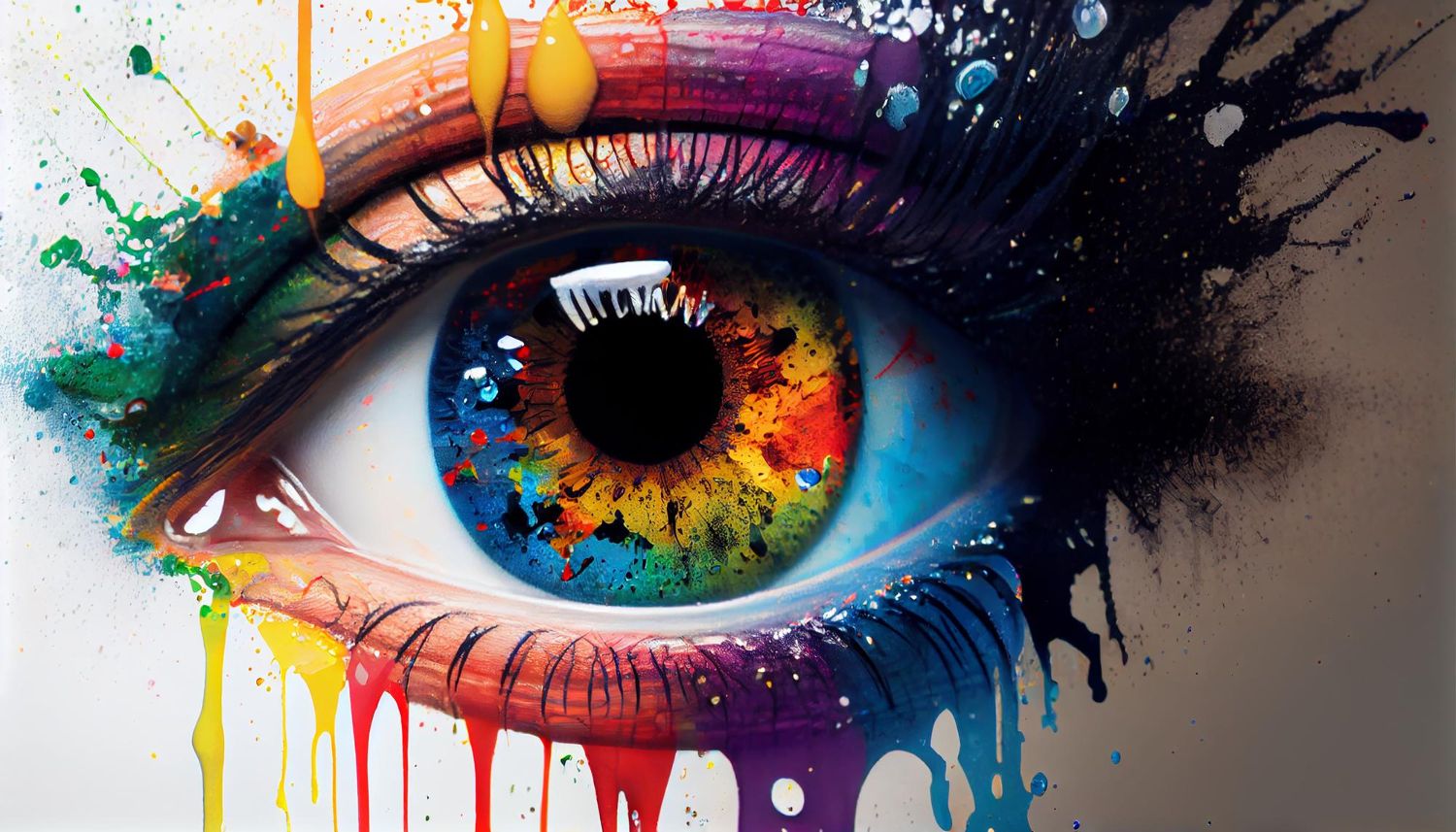
Colors have the ability to tap into our subconscious, triggering specific emotions and associations. For instance:

Red: Evokes excitement, urgency, and passion. It's often used in sales promotions and to draw attention.

Blue: Conveys trust, tranquility, and reliability. It's a popular choice for financial institutions and tech companies.

Green: Symbolizes growth, nature, and harmony. It's commonly associated with health and wellness brands.

Yellow: Represents optimism, warmth, and creativity. It's often used to grab attention and evoke cheerful feelings.

Understanding these associations empowers marketers to create campaigns that resonate on an emotional level, fostering connections with their target audience and influencing their decision-making process.

B2B Brands Leveraging Color Psychology

Even in the B2B world, color plays a crucial role in shaping brand perception and influencing buying decisions. Here are a few examples of successful color implementation:

Oracle (Red): The software giant uses red to highlight creativity, passion, and cutting-edge technology.

Salesforce (Blue): The predominant use of blue conveys trust, stability, and professionalism, reflecting Salesforce's commitment to providing reliable CRM solutions.

Deloitte (Green): The use of green symbolizes growth, innovation, and sustainability, aligning with Deloitte's focus on helping businesses thrive in a responsible manner.

Caterpillar (Yellow): Caterpillar's signature yellow evokes energy, optimism, and resilience, characteristics associated with their heavy machinery and equipment.

Goldman Sachs (Black & White): Projects an air of sophistication, power, and exclusivity.

Yo Marketing Can Help

At Yo Marketing, we work with B2B brands across industries harnessing the power of color psychology to create marketing campaigns that resonate with your audience and drive results.

We can help you:

Develop a cohesive brand color palette: Select colors that accurately reflect your brand identity and resonate with your target market.

Design visually appealing marketing materials: Create eye-catching designs that leverage color to capture attention and convey your message effectively.

Optimize your online presence: Ensure your website and social media channels use color strategically to enhance user experience and encourage conversions.

Color is a powerful tool that can elevate your marketing efforts from good to great. Contact Yo Marketing today to discover how we can help you harness the psychology of color to achieve your business objectives.

Schedule a free strategy session today


Relevant Posts
All Blog Posts
Blog

When Puns Go Wrong: What Lowe’s “Epically More Messi” Tagline Teaches Us About Strategic Branding

By Adrian Maynard, Founder and CEO at Yo Marketing Agency If you’ve been tuning into the World Cup broadcasts lately, you’ve undoubtedly seen home improvement giant Lowe’s rolling out their massive, star-studded campaign featuring global soccer icon Lionel Messi. The visuals are sharp, the star power is undeniable, and the intent is clear: drive sign-ups for their MyLowe’s Rewards program. But as the commercial fades to the final screen, you’re hit with the campaign’s official tagline: **“Members get epically more Messi.”** If you found yourself tilting your head at the TV, trying to figure out exactly what that means, you aren't alone. From a strategic branding perspective, this campaign is a fascinating case study in how multi-million dollar celebrity partnerships can accidentally trip over their own copy. #### The Anatomy of a Forced Pun The mechanics behind the tagline are obvious. The marketing team wanted to build an entire loyalty ecosystem around their star asset, gating exclusive perks, like a limited-edition 10-foot inflatable lawn Messi, behind their membership program. But in execution, the copy falls into a classic corporate trap: **forcing a pun where it doesn't belong.** When an everyday consumer hears the phrase "epically more Messi" spoken aloud, the brain doesn't instantly think of the legendary footballer’s surname. It hears the word **"messy."** For a brand like Lowe's, whose entire value proposition rests on organization, precision, cleanliness, and fixing up the home, telling your customers they are going to get "more messy" creates immediate cognitive dissonance. Nobody walks into a home improvement store hoping their weekend DIY project or their spotless living room gets more chaotic. #### Why Good Concepts Fail in the Echo Chamber How does a tagline like this make it past a battery of creative directors, brand managers, and legal teams? It usually happens when a team stays inside the marketing echo chamber for too long. When you spend months looking at pitch decks, strategy slides, mockups and contract agreements explicitly labeled "The Lionel Messi Partnership," the name becomes a clinical asset. You stop hearing how the phrase sounds to a casual viewer sitting on their couch at home who isn't tracking your internal campaign milestones. This also relies on a tired, slightly lazy ad formula. We've seen other massive brands successfully use the "Get More {Celebrity Name}" trope to imply you're getting maximum value out of a spokesperson. But when the spokesperson's name sounds identical to an adjective that actively contradicts your core brand promise, the formula breaks. #### Navigating the Big Branding Discussions Big, bold partnerships are fantastic tools for customer acquisition, but star power should never eclipse basic brand alignment. The most effective campaigns don't just ask, *"How can we use this celebrity's name in a slogan?"* They ask, *"How does this partnership seamlessly elevate our existing brand voice?"* At Yo Marketing Agency, we thrive on guiding businesses through these exact, critical branding discussions. Whether you are launching an account-based marketing campaign, building a comprehensive go-to-market roadmap, or evaluating how your copy lands with real-world buyers, we help you strip away the echo chamber. We ensure that your strategic messaging is clean, clear, and perfectly aligned with your business goals, so your target audience always gets exactly what you mean, without the confusion. **Want to make sure your next big campaign hits the right note? Contact us today to elevate your strategic branding.** [![Schedule a free strategy session today](https://8pfraw1pqsd9gr2m.public.blob.vercel-storage.com/cta/schedule%20a%20free%20strategy%20session%20today-71nxI8IjipsNWn5HZlezFcxibVvXHd.png)](/contact/)

Icon

Read more

Blog

The B2B Authenticity Paradox: Why Your Brand Needs to Stop Blending In

By Adrian Maynard, Founder and CEO at Yo Marketing Agency Oscar Wilde once famously said, **"Be yourself; everyone else is already taken."** While he was speaking to the human experience, this sentiment has never been more relevant for brands, especially in the B2B sector. In the world of B2B marketing, there is a recurring trap: the "competitive analysis" spiral. We spend hundreds of hours looking at what our rivals are doing, analyzing their messaging, and tracking their feature sets. While understanding the landscape is essential for strategy, it often leads to a dangerous byproduct: **mimicry**. When you focus too much on chasing the leader or matching a competitor’s tone, you inadvertently dilute the very things that make your business the right choice for your specific customers. I’m reminded of an invaluable lesson from early in my career at **Intuit**. I remember **Scott Cook**, the founder, speaking to us about our true competition. At the time, everyone assumed we were in a head-to-head battle with Microsoft. But Scott reframed it entirely: **he told us we weren't competing with Microsoft; we were competing with a pencil and a checkbook**. The point was clear: if you spend all your time watching the competition, you might end up following them right off a cliff. What if the competition is doing the wrong things? If you build your product based solely on what the customer actually needs to solve their problem, you create something far more resilient than a "Microsoft-killer." You create a solution that actually works for the human at the other end. #### The AI Paradox We are also living through a massive technological shift. AI has become an indispensable tool for efficiency, allowing us to generate content and analyze data at speeds we couldn't have imagined a decade ago. But there is a paradox at play here. As it becomes easier to produce "content," it becomes harder to maintain a **"voice."** Relying too heavily on automated outputs can lead to a "sea of sameness." If everyone is using the same prompts to solve the same problems, the industry loses its texture. AI should be the engine, but your brand’s unique identity and lived experience must be the driver. Don’t let the efficiency of the tool erase the personality of the brand. #### The Courage to Have a Point of View Authenticity in B2B isn't just about being "nice" or "transparent." It’s about having a **distinct point of view**. It means standing for a specific methodology or a unique way of solving a problem, even if it’s not the way everyone else is doing it. Your customers aren't looking for a slightly different version of what they already have. They are looking for a partner who knows exactly who they are and who they serve. When you lean into your specific identity, you stop being a commodity and start being a category of one. In a marketplace crowded with noise and automated echoes, the most radical thing a brand can do is be itself. Know your value, trust your perspective, and don't be afraid to be the only one in the room saying what you believe. At Yo Marketing Agency, we help B2B brands find their voice and stand out in crowded markets. If you’re ready to define your brand’s unique point of view, [contact us today](https://yomarketing.agency/contact/). [![Schedule a free strategy session today](https://8pfraw1pqsd9gr2m.public.blob.vercel-storage.com/cta/schedule%20a%20free%20strategy%20session%20today-71nxI8IjipsNWn5HZlezFcxibVvXHd.png)](/contact/)

Icon

Read more